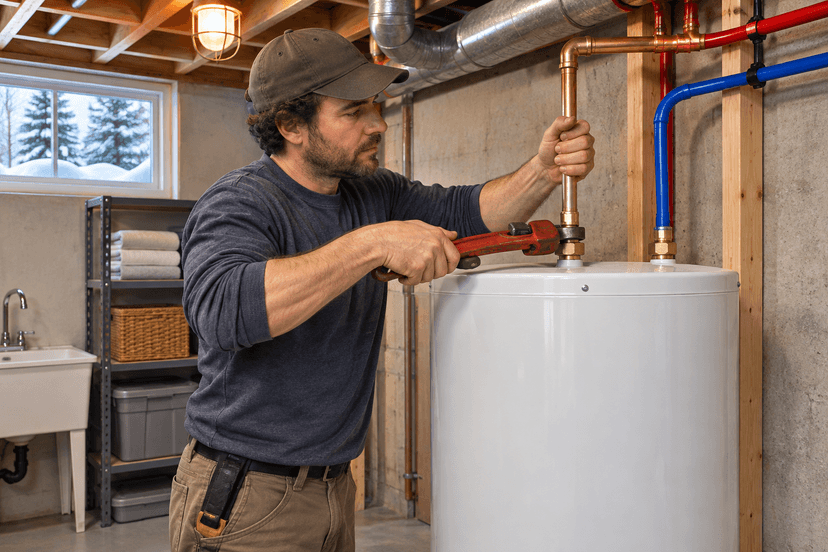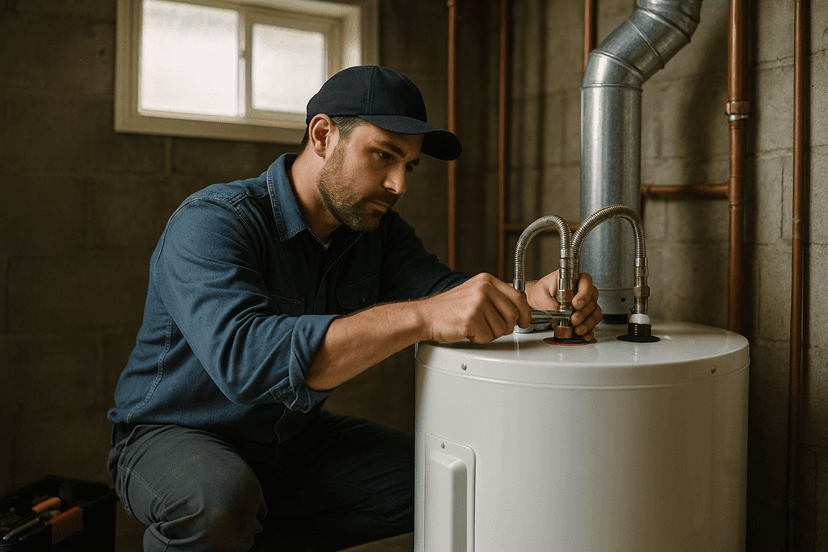
To prevent frozen pipes in a Canadian home, keep every area with water pipes above 8°C, the City of Toronto's threshold, and run a thin stream from vulnerable taps when night temperatures fall below -15°C. To thaw one, open a cold tap and warm the pipe with a hair dryer or heating pad. Never use an open flame.
A frozen pipe is not the expensive part. The expensive part is the hour after it thaws. Ice inside a copper line has been pushing on the pipe wall all night, and the split it leaves stays hidden until the water comes back. Then it pours into a finished basement, behind drywall, under flooring, while you are at work. One more thing makes it worse: the Insurance Bureau of Canada warns that most policies exclude frozen-pipe water damage if your home is vacant, even with permission for vacancy. Ten minutes of prevention in November is worth more than any repair in January.
• Keep areas with water pipes above 8°C, especially near the water meter (City of Toronto).
• Run a thin stream of water from vulnerable taps when night temperatures drop below -15°C (City of Toronto).
• Never set the thermostat below 12°C at night or while away (City of Winnipeg).
• Thaw with a hair dryer, heating pad or warm towels. Never a blowtorch, propane heater or open flame.
• Thawing can take one to six hours (City of Toronto).
• Know where your main water shut-off valve is before you need it.
At what temperature do pipes freeze in Canada?
Water freezes at 0°C, but Canadian cities set their warnings well above that, because a pipe inside an exterior wall is colder than the room around it. The table below lists the thresholds three official sources give homeowners.
Toronto adds a practical note to the running-tap advice: you will be charged for the water used. On a night of -15°C or colder, that charge is small next to a burst line.
How do you prevent frozen pipes in a Canadian home before winter?
Preventing frozen pipes in a Canadian home starts in the fall, before the first deep freeze. These steps come from the City of Toronto and City of Winnipeg guidance:
- Seal drafts around windows, doors, vents, wiring and where pipes pass through walls.
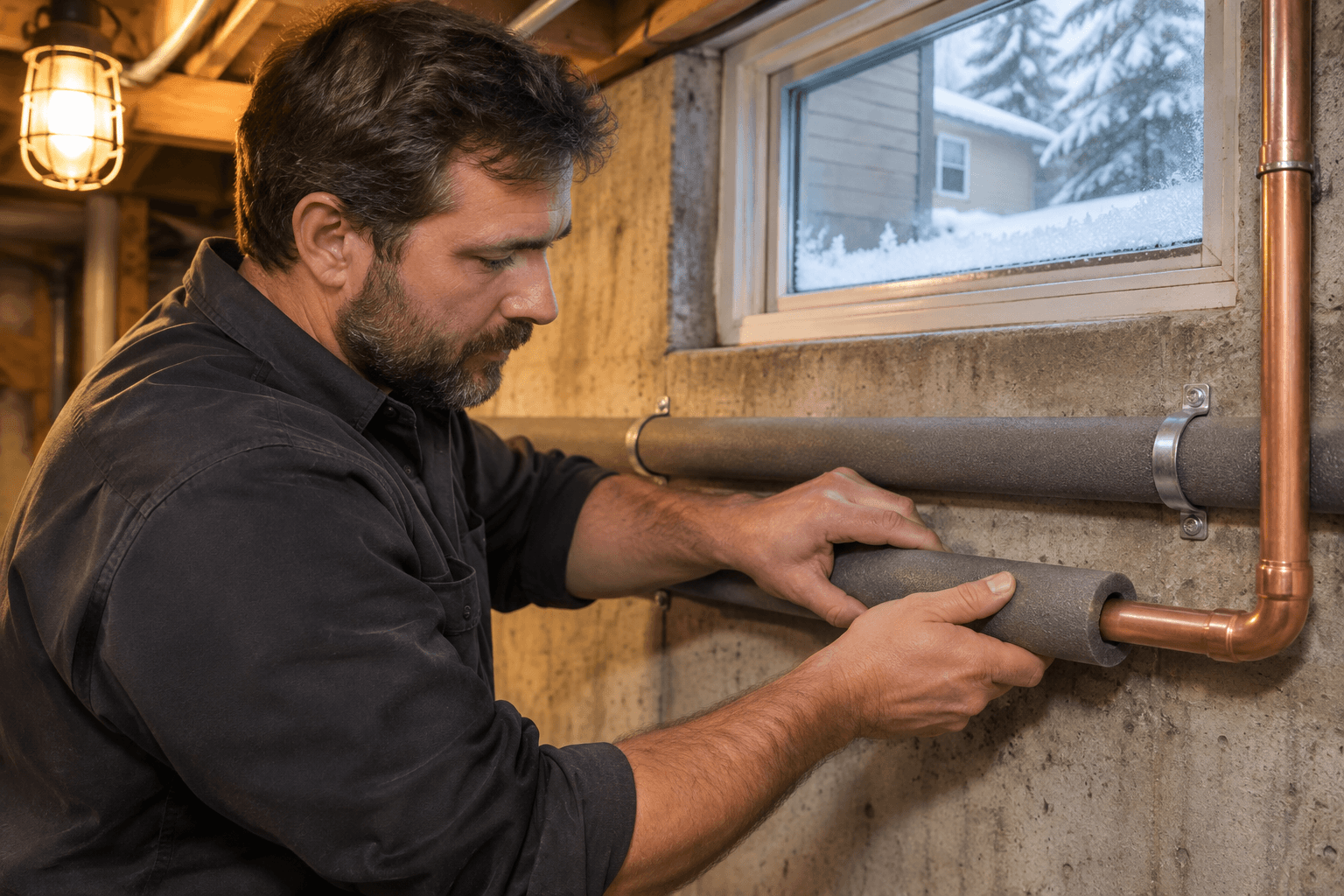
- Insulate exposed pipes in basements, crawl spaces, garages and attics. Foam pipe covers are sold at home improvement stores.
- Disconnect outdoor hoses, drain the outdoor taps and shut off the outdoor water if a separate valve exists. Outdoor faucets are the first to freeze.
- Find your main water shut-off valve and test that it turns.
- Ask a plumber for advice if pipes in your home freeze often. Repeat freezing points to a pipe route that needs insulation or rerouting.
If your attic is under-insulated, the same heat loss that leaves pipes cold also melts snow on the roof. Our attic insulation cost guide covers the rebates that pay for part of that fix.
How do you keep pipes from freezing during a cold snap in Canada?
During a Canadian cold snap, the goal is to get warm air to the pipes that sit against outside walls. The City of Toronto lists these steps:
- Keep the home warm overnight and while you are away. If you control the thermostat, raise it one or two degrees overnight.
- Open kitchen, bathroom and laundry cabinet doors so warm air reaches the plumbing.
- Keep garage doors closed if water pipes run through the garage.
- Run a thin stream from vulnerable taps when night temperatures drop below -15°C, and keep the drains clear while water runs.
The Insurance Bureau of Canada advises: "If you plan on being away from home, check your insurance policy first." Policies set how often a competent person must check the house to confirm the heat is on. For a vacant home, IBC advises shutting off the water supply and draining the lines.
How do you thaw a frozen pipe safely in Canada?
Thawing a frozen pipe in a Canadian home takes patience, not heat. Toronto puts the time at one to six hours. Follow the City's order:
- Find the frozen section. Check pipes along exterior walls and where the water service pipe enters the foundation.
- Open the cold tap in the basement, preferably the laundry tap, so water can flow as the ice melts.
- Warm the pipe gently with a heating pad, hair dryer or warm towels. Do not leave a heating device unattended.
- Watch for leaks as water starts to move. A pipe that froze hard can split, and the leak shows only once it thaws.
- If no water arrives after thawing, contact a licensed plumber.
Never thaw a pipe with a blowtorch, propane heater or any open flame. The City of Toronto calls these "dangerous fire and carbon monoxide hazards".
What should you do if a frozen pipe bursts in your Canadian home?
If a frozen pipe bursts, turn off the main water supply first, as the City of Toronto instructs, then call a plumber. Every minute the main stays open, water keeps feeding the leak into walls and floors.
Once the water is off, photograph the damage before anything is moved and call your insurer. Water that reached a finished basement needs drying out quickly. If your basement takes water every spring as well, our basement waterproofing cost guide explains the fixes and what they cost.
If the pipe has thawed and you still have no water, the City of Toronto says to call a licensed plumber or contact 311.
Who fixes a frozen water pipe in Toronto, the City or the homeowner?
In Toronto, the City is responsible for the water service from the street watermain to the property line, and the property owner is responsible from the property line into the home. If you call 311 with no water, City staff will investigate, but "if the frozen pipes are on private property, staff will advise you to contact a plumber."
The table below shows who is responsible for each part of a Toronto water service when a pipe freezes, according to the City of Toronto.
Renters report a loss of water to the landlord or property manager, who owns the repair. Outside Toronto, check your own city's water page for where its responsibility ends and yours begins.
TaskRight is a verified, zero-commission home services platform in Canada. If a pipe in your home freezes every winter, or one has already burst, post the job once and compare quotes from local plumbers. Every pro on TaskRight is verified by our team over the phone before they can quote. The plumbers keep 100% of every job and pay no per-lead fee, so nothing is priced back into your number.
👉 Get a Toronto plumber on your frozen pipe →
Frequently asked questions about frozen pipes in Canada
At what temperature do pipes freeze in Canada?
Water freezes at 0°C, but Canadian cities warn well above that. The City of Toronto advises keeping areas with water pipes above 8°C and running a thin stream from vulnerable taps when night temperatures fall below -15°C. The City of Winnipeg says never to set the thermostat below 12°C.
How do you thaw frozen pipes safely in Canada?
To thaw frozen pipes in a Canadian home, open the basement cold tap, then warm the frozen section with a heating pad, hair dryer or warm towels, never leaving the device unattended. The City of Toronto says thawing takes one to six hours and warns never to use a blowtorch, propane heater or open flame.
Will frozen pipes thaw on their own in Canada?
Frozen pipes in a Canadian home can thaw as temperatures rise, but waiting is risky. A pipe that froze hard may have split, and the leak shows only when water moves again. The City of Toronto advises thawing actively with gentle heat and an open cold tap, and calling a licensed plumber if water does not return.
Does home insurance cover frozen pipes in Canada?
Coverage for frozen pipes depends on your Canadian policy wording. The Insurance Bureau of Canada warns that most policies exclude frozen-pipe water damage if the home is vacant, even with permission for vacancy, and advises shutting off the water and draining the lines in a vacant home. Check your policy before travelling.
Who is responsible for frozen pipes in Toronto?
In Toronto, the City is responsible for the water service from the street watermain to the property line, and the owner is responsible from the property line into the home. City staff will investigate a 311 call, but advise you to contact a plumber when the frozen pipes are on private property.
Last updated: November 2026. Prevention and thawing steps are taken from the City of Toronto's Prevent or Thaw Frozen Pipes page (updated October 19, 2026) and the City of Winnipeg's frozen pipe prevention page. Insurance guidance is taken from the Insurance Bureau of Canada's January 2026 winter advisory.
Related reading:
Basement Waterproofing Cost in Canada — what it costs to keep water out of a finished basement.
Attic Insulation Cost in Canada: Price After Rebates — stop the heat loss that chills pipes and melts roof snow.
Water Softener Installation Cost in Canada — another plumbing job worth pricing properly.
Plumbers in Toronto — post your job with no lead fees.